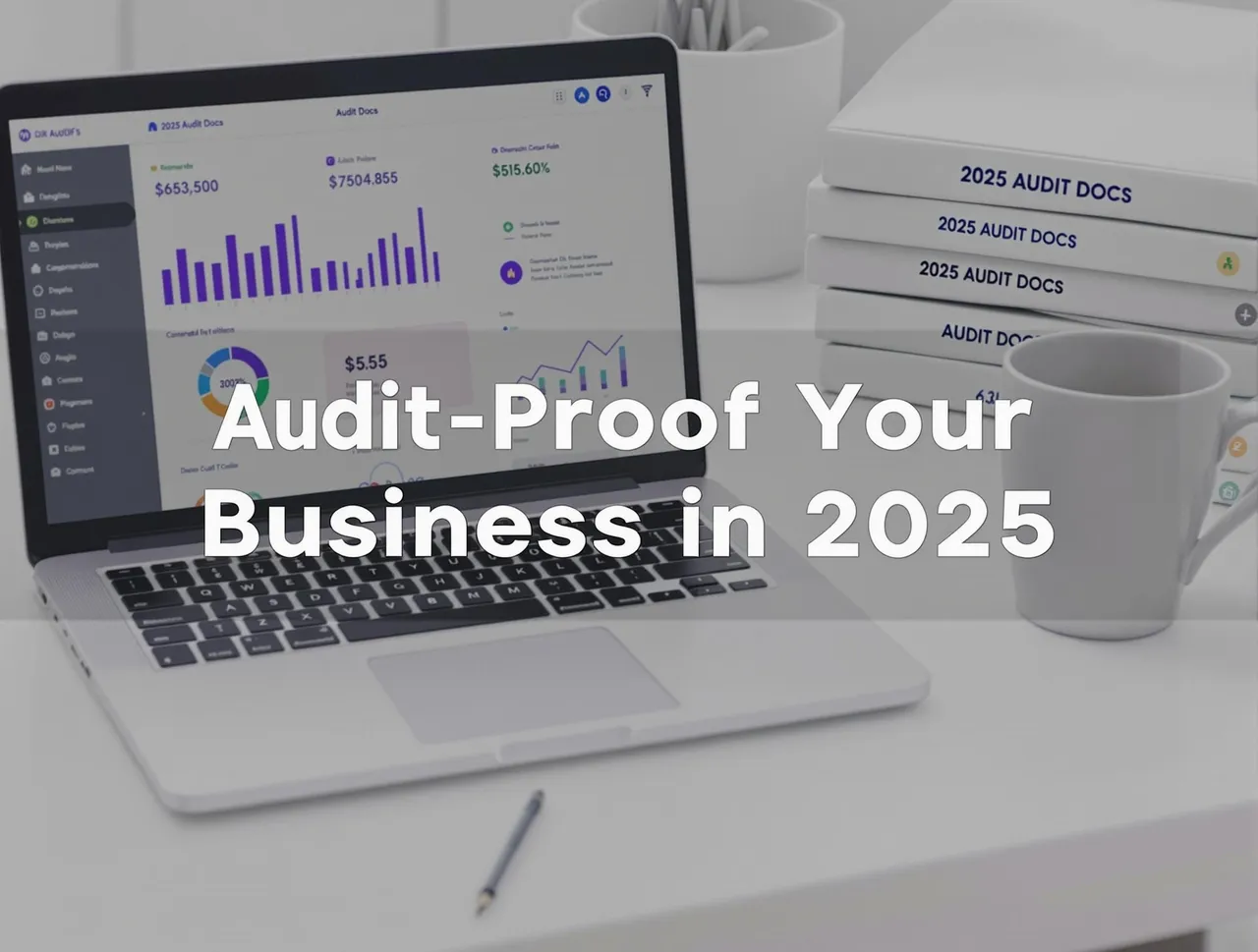
The fear of an audit keeps many business owners awake at night. The idea of combing through years of financial data and explaining every transaction to an auditor is enough to make anyone anxious. But it doesn’t have to be this way. With solid documentation habits in place, you can transform that anxiety into confidence. At AIG Business Services, we’ve supported transportation companies and small businesses through countless audits and essential Documentation Best Practices . The difference between stress and success always comes down to one thing—effective documentation. This guide shares the best practices you need to audit-proof your business in 2025 and beyond.
Why Proper Documentation Matters

Good documentation is the backbone of business compliance, but its benefits go far beyond tax season. A business that tracks and organizes its financial records well can better understand its cash flow, improve forecasting, and make more strategic decisions. Our experience managing over $50 million in invoicing has shown that the businesses most prepared for audits are also the ones growing the fastest. When your documents are in order, you gain control—not just over compliance, but over your company’s financial future.
What Should You Be Documenting?
When preparing for a business audit—especially in highly regulated industries like transportation and logistics—it’s essential to understand the key categories of financial documentation.

Income Documentation: Every dollar that flows into your business must be accounted for. This includes invoices, sales receipts, bank deposits, electronic transfers, and payment processor reports. Transportation businesses also need to track load payments, fuel surcharges, detention fees, and accessorial charges. Each of these entries should match your bank statements and accounting software.
Expense Documentation: To take advantage of eligible deductions, you need a paper trail for every business expense. Maintain receipts for fuel, repairs, vehicle maintenance, insurance premiums, office supplies, equipment purchases, and contractor or professional service fees. When expenses are clearly categorized and well-documented, you’re less likely to lose out on tax savings—or face penalties in an audit.
Transitioning to Digital Documentation
Relying solely on paper is risky. It’s inefficient, easy to misplace, and makes your business vulnerable to disasters like fire or theft. That’s why implementing digital documentation systems is one of the most important audit documentation best practices. Use secure cloud storage platforms to save documents in real time, and schedule automatic backups to prevent data loss. Organize your folders logically—by year, document type, or client—and always use consistent naming conventions, such as “2025-01-FuelReceipt-Truck12.jpg.”
Also, take advantage of software features like version control and access permissions. These tools can help you track changes, prevent unauthorized edits, and demonstrate transparency during an audit.

Industry-Specific Documentation Requirements

Every industry has unique documentation needs. In transportation and logistics, businesses must maintain driver logs, Department of Transportation (DOT) compliance records, vehicle inspections, maintenance logs, and fuel tax reports. Insurance documentation should also be current and readily available.
Other industries have their own must-haves. For example, ecommerce businesses need to track inventory flow and shipping invoices. Real estate companies should maintain records of tenant agreements and property maintenance. Service-based businesses need to archive signed contracts, work orders, and project timelines. Regardless of your sector, being proactive with your industry’s documentation requirements is key to small business audit compliance.
Creating an Organized Filing System
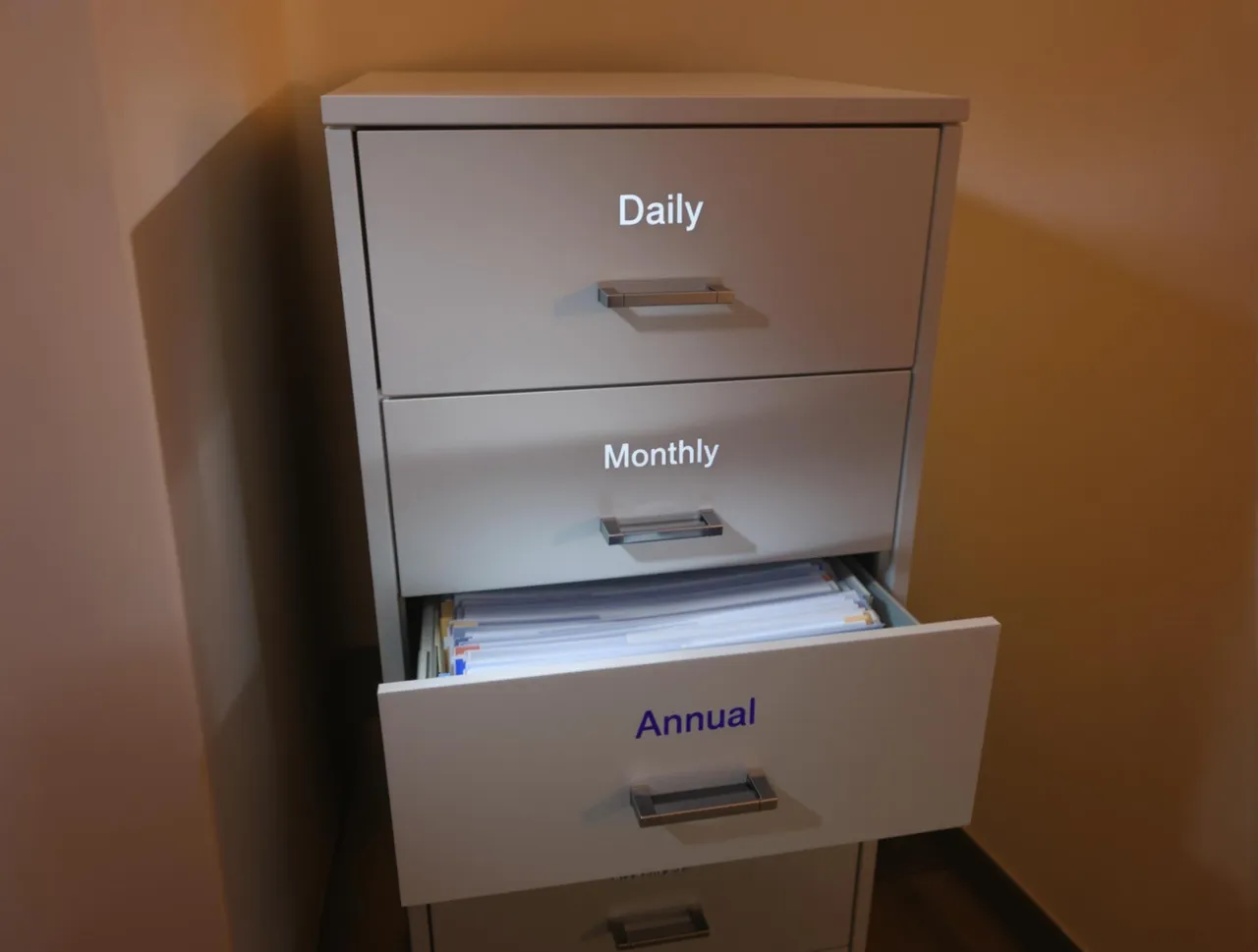
An organized filing system helps prevent documents from slipping through the cracks. Divide your records into daily, monthly, and annual folders. Daily records might include sales receipts, invoices, and cash logs. Monthly files should hold reconciliations, payroll reports, and credit card statements. Annual documents include tax returns, year-end financial statements, insurance policies, and corporate records. Whether you’re using physical folders or digital ones, consistency is essential.
Use Technology to Streamline Your Record-Keeping
Investing in the right technology makes business record keeping much more manageable. Document management software (DMS) helps automate filing, offers powerful search functions, and often includes optical character recognition (OCR) so scanned documents are searchable. For on-the-go needs, mobile apps allow you to scan receipts, track mileage, and log work hours from your phone. These tools are especially helpful for transportation companies whose teams are constantly on the move.
How Long Should You Keep Your Records?
Retention matters as much as organization. Most financial documentation requirements suggest keeping tax returns and supporting documents for at least seven years. Employment tax records should be stored for four years, while property records must be kept until the property is sold—plus an additional seven years. Bank statements and credit reports generally fall into the seven-year category, and key corporate documents like articles of incorporation should be retained permanently.
Conduct Regular Internal Audits
You don’t have to wait for the IRS to start checking your documentation. Implementing your own internal audits helps keep your system sharp and responsive. Monthly reviews should verify document completeness, confirm correct filing, and ensure digital backups are working properly. Every quarter, evaluate how efficient your documentation systems are. This is also a good time to update processes, train staff on changes, and review compliance with regulatory standards. Businesses that stay proactive tend to avoid last-minute audit panic.
Avoid These Common Documentation Mistakes
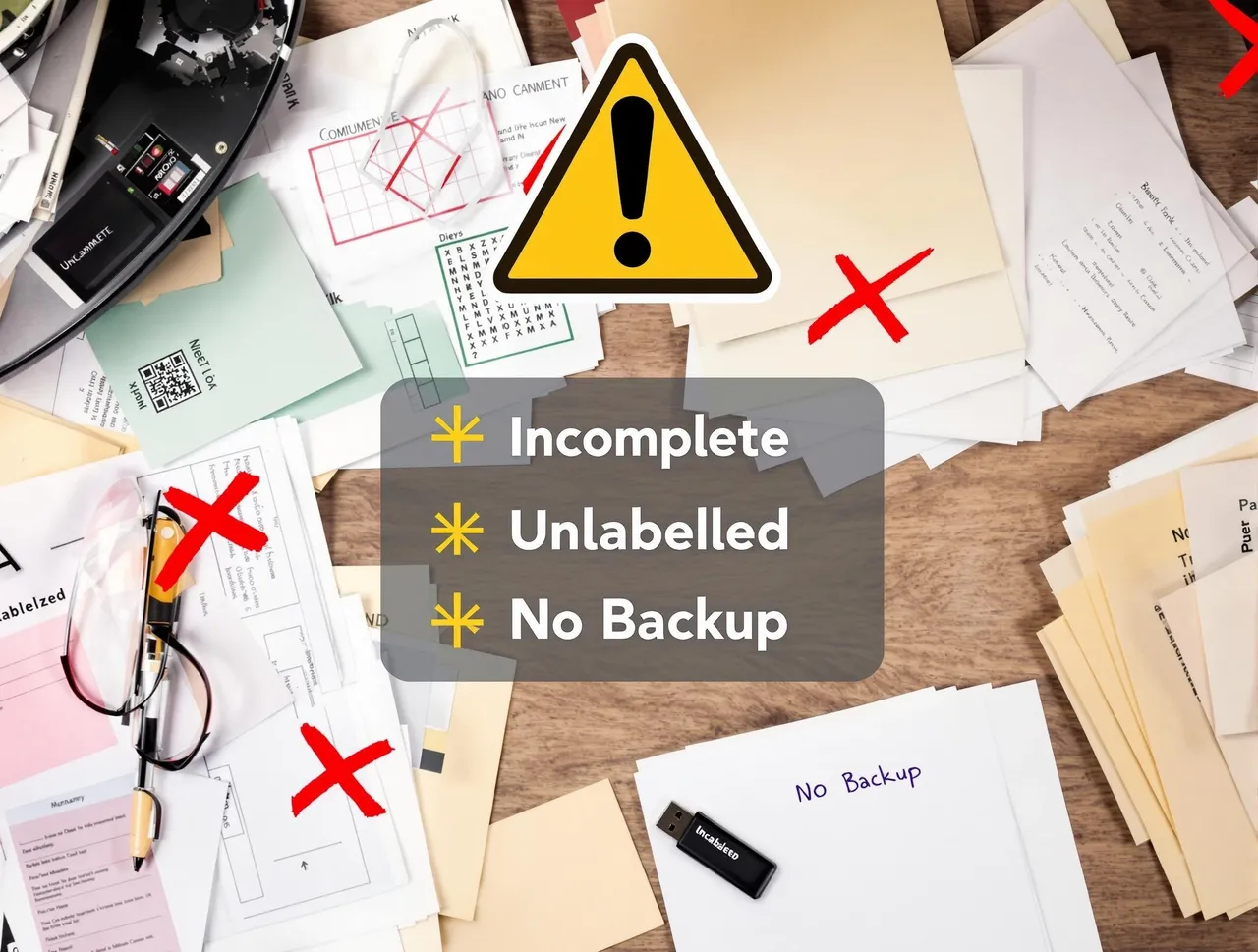
Some of the most frequent audit issues stem from avoidable mistakes. Incomplete records, missing dates or signatures, disorganized storage, and poor backup habits can all lead to trouble. So can inconsistent file naming or version control. Avoid these pitfalls by setting documentation standards and holding your team accountable. A simple checklist can make a huge difference in maintaining audit-proof business records.
When to Seek Professional Help
While maintaining strong documentation practices is essential, it can also be time-consuming. If you’re feeling overwhelmed, it’s worth investing in professional support. At AIG Business Services, we specialize in bookkeeping and audit documentation management, tailored to transportation companies and small businesses. Our services start at just $265/month, with no hidden fees or surprise charges. We handle the details so you can focus on running your business.
Final Thoughts: Build Confidence, Not Chaos

Audit documentation best practices aren’t just about staying out of trouble with the IRS—they’re about building a business that runs with confidence and clarity. By keeping clean, well-organized records and staying current with your documentation efforts, you position yourself not only for audit success but for smarter financial planning, growth, and peace of mind.
Are you ready to audit-proof your business? Schedule a free 30-minute discovery call with AIG Business Services and take the first step toward better documentation and greater control.
Don’t wait until you’re facing an audit. Contact AIG Business Services today at +1- 833 313-4996 or email us at finance@aigbiz.com to learn how we can help you meet financial documentation requirements and maintain small business audit compliance—without the stress.