

In today’s fast-paced business world, digital transformation in bookkeeping is no longer a luxury—it’s a necessity. Whether you run a trucking company, an eCommerce store, or a real estate business, adopting modern bookkeeping methods can streamline operations, reduce costs, and improve decision-making. The traditional paper-based, manual bookkeeping process is quickly being replaced by digital solutions that increase accuracy, provide real-time insights, and free up resources for growth.
This comprehensive guide explores the latest advancements in automated bookkeeping, modern accounting software, and cloud-based accounting, helping you stay ahead in 2025 and beyond.
The Digital Bookkeeping Revolution: Why Now?

Traditional bookkeeping methods are time-consuming, error-prone, and no longer sufficient for the speed and complexity of today’s business environment. The shift toward digital transformation in financial management is driven by several key factors, including the demand for real-time financial data, increasing automation, the need for accurate decision-making, and rising cybersecurity threats. By embracing digital bookkeeping tools, businesses can overcome these challenges and stay competitive.
Benefits of Digital Bookkeeping Transformation
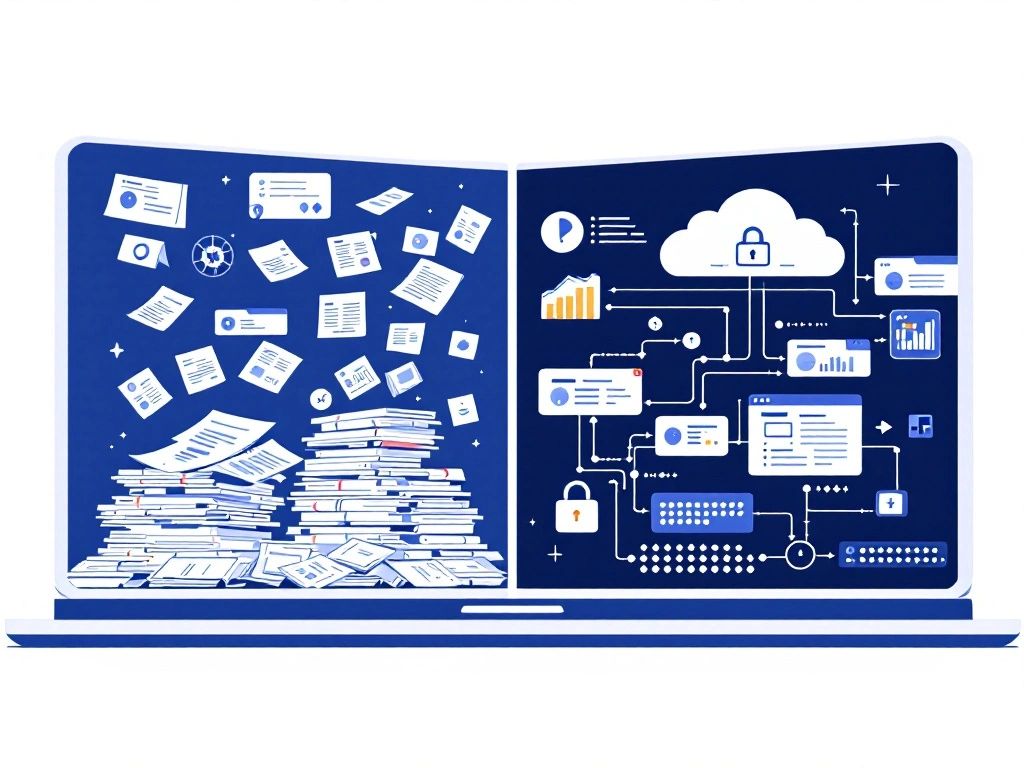
The transition to digital bookkeeping comes with a myriad of benefits that can significantly improve business operations:
- Real-Time Financial Insights – Access crucial financial data from any location, empowering business owners to make data-driven decisions quickly.
- Significant Error Reduction – Automated systems minimize human error by up to 90%, reducing the risk of financial discrepancies and mistakes.
- Cost Efficiency – Through automation, businesses save 40-60% on operational expenses, freeing up resources to focus on growth.
- Enhanced Security Measures – Advanced encryption, multi-factor authentication, and cloud security features ensure that financial data is safe from cyber threats and data loss.
- Strategic Decision-Making – Data-driven insights enable better forecasting and planning, leading to improved budgeting and financial projections.
These advantages are compelling reasons why more and more businesses are investing in digital bookkeeping systems.
Key Components of Modern Digital Bookkeeping
A successful digital bookkeeping transformation involves several core components that come together to create an efficient, automated, and secure financial management system:
1. Cloud-Based Accounting Solutions
Cloud-based accounting platforms offer several significant advantages, including:
- Automatic Daily Bank Reconciliation – This ensures that transactions are updated in real-time, providing accurate and up-to-date financial records.
- Multi-Device Accessibility – Cloud-based systems allow you to access your accounting data from any device, anywhere, enabling seamless collaboration across teams and departments.
- Secure, Encrypted Data Storage – Financial data is stored on the cloud, ensuring protection from data loss or theft.
- Integration with Tax Software – Popular cloud accounting tools can integrate with tax software, ensuring easy tax compliance and accurate filing.
Popular cloud-based accounting tools include QuickBooks Online, Xero, Zoho Books, and FreshBooks, all of which offer powerful features to simplify your bookkeeping process.
2. Smart Automation Technologies
AI-driven automation has drastically transformed bookkeeping by eliminating manual tasks. The benefits include:
- Intelligent Transaction Categorization – Automatically categorize transactions, saving time and reducing errors.
- Automated Invoice and Expense Tracking – Automatically capture invoices and expenses, streamlining the entire accounting workflow.
- Smart Bill Payment Matching – Match payments with invoices seamlessly, ensuring accurate financial records without the need for manual intervention.
- Customizable Financial Reporting – Generate reports on-demand, giving business owners a comprehensive view of their financial status at any given time.
3. Seamless Software Integrations
Modern bookkeeping solutions can integrate with other essential business tools, making it easier to streamline processes across departments. For example:
- Payroll Systems – Platforms like Gusto, ADP, and Paychex integrate with accounting software, ensuring that payroll data is accurate and up-to-date.
- CRM Software – Integrate customer data from platforms like Salesforce and HubSpot with accounting tools for a more holistic view of your business.
- Payment Processors – Payment solutions like Stripe, PayPal, and Square can be linked to your bookkeeping system for accurate tracking of revenue.
- Expense Tracking Apps – Apps like Expensify and Receipt Bank help you track and categorize expenses automatically, ensuring that your books are always balanced.
Industry-Specific Benefits of Digital Transformation

Digital bookkeeping transformation offers tailored benefits for specific industries, making it easier for businesses in different sectors to automate and optimize their financial processes.
1. Transportation & Logistics
- Automated Fuel and Mileage Tracking – Easily track vehicle fuel costs and mileage, which are critical for accurate expense reporting.
- Real-Time Fleet Cost Management – Monitor fleet performance and expenses in real time, helping to make cost-effective decisions.
- Digital Compliance with DOT Regulations – Automate compliance reporting to meet Department of Transportation (DOT) requirements without manual paperwork.
2. eCommerce & SaaS
- Automated Subscription Billing – For SaaS companies, billing systems can be automated to track and process recurring payments.
- Multi-Channel Sales Tracking – Track sales across different eCommerce platforms (Amazon, Shopify, etc.) in one unified accounting system.
- Real-Time Inventory Synchronization – Ensure that inventory records are updated in real-time, reducing the risk of stockouts and overstocking.
3. Real Estate & Property Management
- Automated Rent Collection – Rent payments can be automatically processed and recorded, reducing administrative overhead.
- Property Expense Tracking and Reporting – Track costs related to each property and generate financial reports with ease.
- Digital Tenant Payment History – Keep accurate records of tenant payments, improving cash flow management.
Steps to Implement Digital Transformation
Implementing digital transformation in bookkeeping involves several key steps that ensure a smooth transition and long-term success:
1. Evaluate Current Bookkeeping Processes
Before implementing new solutions, evaluate your current system to identify inefficiencies and bottlenecks. Set measurable goals for automation and determine which integrations will be needed to enhance your processes.
2. Choose the Right Digital Solutions
Selecting the appropriate digital bookkeeping solutions is crucial for success. Look for scalable accounting platforms that fit your business needs and compare their cost structures, automation features, and compliance with financial regulations.
3. Implement and Train Your Team
Create a structured migration plan to ensure a smooth transition from manual to digital bookkeeping. Provide comprehensive training for your team so that they can effectively use the new system and optimize its features.
4. Optimize for Maximum Efficiency
Once your digital system is in place, regularly review financial reports to track performance and efficiency. Utilize AI-powered analytics for smarter decision-making and monitor security and compliance to mitigate any risks.
Digital Transformation ROI: Cost vs. Benefits
The ROI of digital bookkeeping transformation is significant, as businesses can realize:
Cost Savings:
- 40-60% reduction in manual processing time.
- 30-50% fewer bookkeeping errors.
- Lower overhead costs and improved cash flow management.
Increased Profitability:
- Faster month-end closing.
- Higher accuracy rates.
- Improved financial transparency, enabling better decision-making.
Emerging Trends in Digital Bookkeeping (2025 and beyond)
Looking ahead, several emerging trends will continue to shape the future of digital bookkeeping:
- AI-Powered Predictive Analytics – These tools will allow businesses to forecast financial trends and make more informed decisions.
- Blockchain Technology – This will enhance transaction security, reduce fraud, and ensure the integrity of financial data.
- Mobile-First Financial Management – As mobile technology continues to evolve, mobile-first financial tools will provide on-the-go access to real-time financial data.
- IoT-Enabled Real-Time Financial Tracking– The integration of IoT with accounting systems will allow businesses to track physical assets and expenses in real-time, further automating financial workflows.
How AIG Business Services LLC Can Help
At AIG Business Services LLC, we provide affordable, high-quality bookkeeping transformation solutions tailored to your industry. With our deep expertise in the digital transformation of bookkeeping processes, we help businesses embrace the future of accounting.
Why Choose Us?
- Fixed-Price Plans Starting at $265/Month
- 24/7 Customer Support
- Real-Time Financial Reporting
- Industry-Specific Bookkeeping Solutions
- Seamless Cloud-Based System Integration
Our Digital Transformation Package Includes:
✔ Initial System Assessment and Implementation Plan
✔ Expert-Guided Migration to Cloud-Based Accounting
✔ Staff Training on Automation and AI-Driven Bookkeeping
✔ Ongoing Performance Monitoring and Optimization
Take the Next Step
Don’t let outdated bookkeeping slow your business growth! Schedule a free 30-minute consultation today.
📞Call us at (833) 313-4996
📧Email us at finance@aigbiz.com
💻Visit www.aigbiz.com to learn more!