
In today’s dynamic and rapidly changing business environment, scaling your transportation business growth goes beyond simply expanding your fleet. To thrive, businesses in the transportation industry need to take a strategic approach that encompasses sound financial management, operational efficiency, and sustainable growth. Having worked with transportation companies generating over $25 million in combined client revenue, we have seen firsthand what differentiates thriving companies from those that struggle to scale.
Understanding Your Financial Foundation

Before diving into any growth initiatives, the first step is always establishing a solid financial foundation. Too many transportation companies make the mistake of expanding without a clear picture of their financial health. Maintaining clean, organized financial records is crucial. Your books should provide clear insights into cash flow, profit margins, and operational costs. This transparency is more than just knowing your numbers; it allows you to make informed decisions that help propel your business forward.
Regularly updating and reviewing your financial statements ensures that you’re not operating on assumptions. Use these insights to identify areas of inefficiency, track your financial progress, and avoid costly mistakes that could impede growth. Without proper financial oversight, even the most well-meaning growth strategies can backfire.
Strategic Fleet Expansion
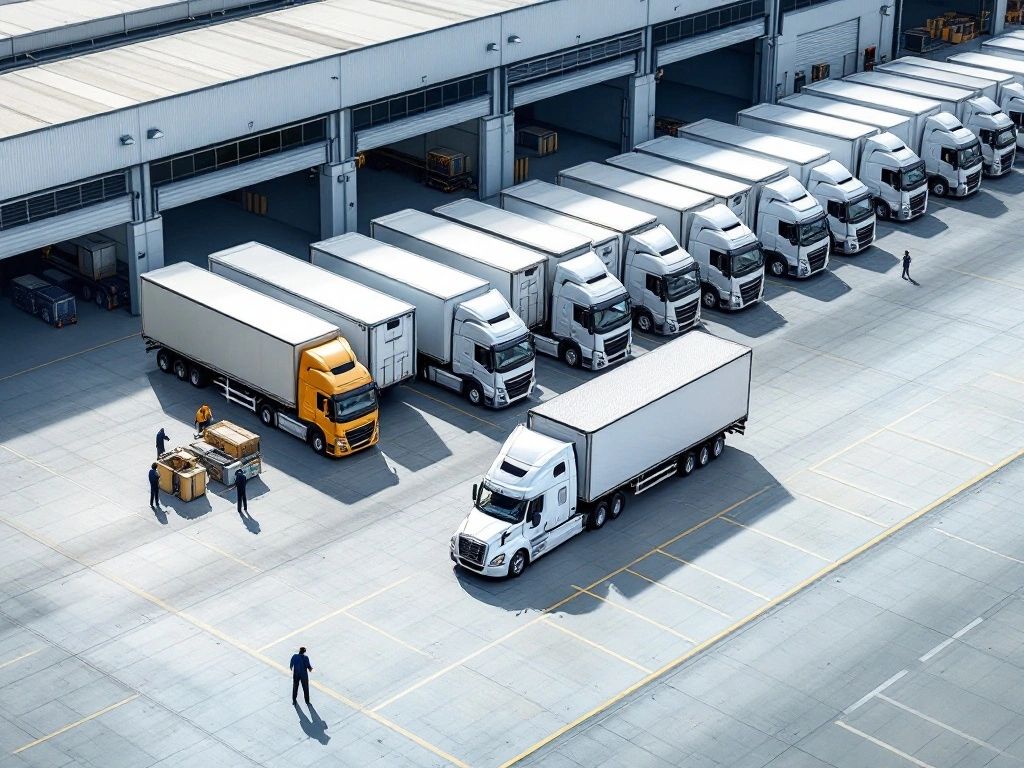
As your transportation company grows, one of the most important decisions you’ll face is how to expand your fleet. However, successful fleet expansion requires careful thought and planning. Instead of immediately buying or leasing new vehicles, consider optimizing your existing assets first. Look at key metrics such as route efficiency, vehicle utilization rates, and maintenance costs. By maximizing the potential of your current fleet, you can increase profits without taking on unnecessary debt.
When it comes time to expand, think carefully about whether purchasing or leasing vehicles aligns better with your company’s long-term financial goals. Growth should not simply add to revenue, but rather enhance profitability. Additionally, ensure that the vehicles you bring into your fleet will serve high-demand routes and integrate well with your existing operations.
Technology as a Growth Catalyst

In today’s fast-paced world, technology isn’t just a luxury; it’s a necessity. Transportation companies that fail to embrace technological advancements risk falling behind. Implementing modern fleet management systems, automated accounting solutions, and real-time GPS tracking tools can streamline operations and reduce costs.
These technologies not only enhance operational efficiency but also provide you with real-time data that can help guide decision-making. Whether it’s tracking fuel consumption, monitoring driver performance, or analyzing routes for optimization, the right technology will allow you to manage your business more effectively and scale with confidence. Additionally, integrating technology into your company culture can improve your ability to adapt to change, which is crucial for long-term success.
Building a Scalable Team Structure

A business is only as strong as its team. Successful growth requires you to build a team structure that can handle the increased demands of a growing company without dramatically increasing overhead. Invest in training programs that help your team grow alongside your business. Well-trained employees with clear roles and responsibilities can ensure operations run smoothly, even as your company scales.
Implementing clear standard operating procedures (SOPs) and communication channels across the company ensures that all team members are aligned with the company’s goals and values. Consider cross-training staff to reduce vulnerability when employees take time off or leave the company. A flexible, well-trained team can adapt quickly to new challenges and is crucial for maintaining efficiency as you grow.
Financial Management for Sustainable Growth
Managing cash flow effectively is one of the most critical factors in ensuring sustainable growth. As your company grows, there will be larger cash demands for vehicle acquisition, payroll, and other operational costs. Strategic financial planning ensures that you have enough liquidity to cover both day-to-day expenses and unexpected costs.
Some key strategies for maintaining healthy cash flow include:
- Setting up emergency funds to cover unanticipated costs
- Managing working capital by balancing the timing of cash inflows and outflows
- Implementing efficient billing and collections systems to reduce delays in cash flow
- Creating accurate growth projections based on historical performance
- Cultivating relationships with financial institutions to access funding when necessary
These steps will provide your company with a financial buffer that will allow you to navigate periods of uncertainty without jeopardizing your growth trajectory.
Marketing and Client Acquisition

Sustainable growth also depends on consistently attracting new clients while maintaining existing relationships. Successful transportation companies leverage a variety of marketing strategies to maintain a steady stream of business. Develop a multi-channel marketing approach that showcases your company’s strengths and differentiates you from the competition.
Client testimonials and case studies can be powerful tools to build social proof and attract new business. Content marketing, such as blog posts, educational materials, and industry reports, can help establish your company as an industry expert. Furthermore, engaging actively on social media platforms and keeping your website updated ensures that you are accessible to potential clients who are searching for reliable transportation solutions.
Risk Management and Compliance

As your company grows, so does its exposure to risk and the need to meet regulatory requirements. Scaling a transportation business requires a comprehensive risk management strategy. This strategy should address areas such as safety, insurance, and compliance.
Some essential components of an effective risk management plan include:
- Adequate insurance coverage that protects against property damage, liability, and employee injuries
- Ongoing safety training for drivers and other staff members to reduce accidents and injuries
- Compliance monitoring systems to ensure your company is adhering to industry regulations at local, state, and federal levels
- Environmental considerations, especially regarding fuel emissions and sustainable practices
- Regular financial audits and internal controls to reduce fraud or errors
By proactively managing risks, your company will be better equipped to handle unexpected challenges and avoid costly mistakes.
Measuring Success Beyond Revenue
True business success isn’t just about increasing revenue—it’s about achieving sustainable growth and ensuring the long-term health of the company. Successful transportation businesses track key performance indicators (KPIs) that provide insight into every aspect of the company’s operations. Some KPIs to focus on include:
- Customer retention rates, which indicate the loyalty and satisfaction of your client base
- Driver satisfaction and turnover rates, which can impact both service quality and operational efficiency
- Vehicle utilization rates, which help assess the efficiency of your fleet
- Maintenance efficiency, which helps reduce downtime and costs associated with repairs
- Fuel cost management, which can significantly impact profit margins
- On-time delivery rates, which directly influence customer satisfaction
By monitoring these metrics, transportation companies can make data-driven decisions that promote growth and improve service delivery.
Planning for Long-term Success
Sustainable growth requires more than just a focus on the next quarter; it requires long-term strategic planning. This means thinking beyond short-term financial gains and developing a roadmap for long-term success. Some key long-term strategies include:
- Diversifying your market presence by entering new regions or offering new services
- Expanding your service offerings to meet the changing needs of your clients
- Adopting new technologies to stay ahead of the competition
- Planning for succession to ensure continuity as key team members transition
- Implementing sustainability initiatives to minimize environmental impact and appeal to eco-conscious clients
By focusing on the long-term trajectory of your business, you’ll ensure that your company remains competitive and resilient in an ever-changing market.
Conclusion
Scaling a transportation business is a multifaceted process that requires a combination of financial acumen, operational excellence, and forward-thinking strategies. By focusing on optimizing your resources, leveraging technology, building a scalable team, and planning for long-term sustainability, your company will be well-positioned for growth. Remember, successful growth is not just about expanding quickly—it’s about expanding strategically and sustainably.
Are you ready to implement these growth strategies and take your transportation business to the next level?
Schedule a free 30-minute discovery call with our team to explore how our fixed-price bookkeeping services (starting at $265/month) can help you achieve financial clarity and set you on the path to sustainable growth.