

These hidden financial traps could be costing your moving company thousands—or even threatening your business survival
The Silent Profit Killers
Moving and logistics companies face unique financial challenges that traditional accounting often misses. While you’re focused on coordinating moves, managing crews, and satisfying customers, dangerous financial blind spots can quietly drain your profits and threaten your business stability.
At AIG Business Services, we’ve analyzed the financial data of hundreds of transportation companies managing over $50 million in combined revenue. Through this experience, we’ve identified six critical financial blind spots that consistently impact moving and logistics firms—and more importantly, how to fix them.
The stakes are high:These blind spots don’t just reduce profits; they can lead to cash flow crises, failed business expansion, and even company closure during challenging periods.
Blind Spot #1: Hidden Labor Cost Escalation

The Problem
Most moving companies track basic hourly wages but miss the true cost of labor escalation. This includes overtime premiums, worker’s compensation increases, training costs, and the hidden expense of crew inefficiency.
Why It’s Dangerous
- Profit Erosion: True labor costs can be 40-60% higher than base wages
- Pricing Miscalculation: Underestimating job costs leads to unprofitable contracts
- Cash Flow Impact: Unexpected labor expenses create budget shortfalls
Real-World Example
A regional moving company we worked with discovered their actual labor costs were 47% higher than their estimates. They were pricing jobs based on $20/hour crew costs when the true cost was $29.40/hour, including all hidden factors.
The Fix: Comprehensive Labor Cost Tracking
Step 1: Calculate True Hourly Costs
- Base wage + payroll taxes (7.65% minimum)
- Worker’s compensation insurance (varies by state, typically 8-15% for movers)
- Benefits and paid time off
- Training and certification costs
- Equipment and uniform expenses
Step 2: Implement Real-Time Tracking
- Use time-tracking software that captures overtime automatically
- Monitor crew efficiency metrics per job type
- Track training hours and associated costs
- Calculate worker’s comp costs per actual risk exposure
Step 3: Adjust Pricing Models
- Build true labor costs into job estimates
- Create seasonal pricing adjustments for peak periods
- Implement efficiency bonuses to reduce hidden costs
- Regular quarterly reviews of labor cost calculations
AIG Solution: Our $265/month bookkeeping service includes comprehensive labor cost tracking with real-time reporting, helping moving companies identify true crew costs and optimize pricing strategies.
Blind Spot #2: Seasonal Cash Flow Volatility

The Problem
Moving companies experience extreme seasonal fluctuations, but most don’t properly plan for the financial impact. Summer peaks and winter valleys create cash flow challenges that can cripple operations.
Why It’s Dangerous
- Winter Survival: 40-60% revenue drops can create cash flow crises
- Peak Season Overextension: Rapid growth strains working capital
- Equipment Investment Timing: Poor planning leads to financing problems
The Hidden Costs
- Emergency financing at high interest rates
- Inability to invest in growth opportunities
- Crew layoffs and rehiring costs
- Lost contracts due to capacity constraints
The Fix: Strategic Seasonal Planning
Step 1: Historical Analysis
- Analyze 3-5 years of monthly revenue patterns
- Identify peak and valley periods specific to your market
- Calculate working capital requirements for each season
- Plan for equipment maintenance during slow periods
Step 2: Cash Flow Forecasting
- Create 12-month rolling cash flow projections
- Build in seasonal adjustment factors
- Plan for major expenses during peak revenue periods
- Establish credit lines before you need them
Step 3: Revenue Diversification
- Develop winter revenue streams (storage, commercial moves)
- Create maintenance and packing services
- Establish corporate relocation partnerships
- Offer seasonal storage solutions
Step 4: Expense Management
- Variable cost structures that adjust with revenue
- Seasonal staffing models
- Equipment leasing vs. purchasing strategies
- Maintenance scheduling during slow periods
AIG Advantage:Our financial coaching helps moving companies develop seasonal cash flow strategies, with many clients reducing seasonal volatility by 30-40% through strategic planning.
Blind Spot #3: True Vehicle and Equipment Costs

The Problem
Moving companies often underestimate the total cost of ownership for trucks and equipment. They focus on purchase price and fuel but miss depreciation, maintenance, insurance, and opportunity costs.
Why It’s Dangerous
- Underpricing Jobs: Not factoring true equipment costs into pricing
- Poor Investment Decisions: Buying vs. leasing without proper analysis
- Maintenance Surprises: Unexpected repair costs disrupting cash flow
The Hidden Expenses
- Accelerated depreciation due to heavy use
- Specialized maintenance requirements
- Commercial insurance premium increases
- Downtime costs during repairs
- Regulatory compliance expenses
The Fix: Total Cost of Ownership Analysis
Step 1: Calculate True Vehicle Costs
- Purchase/Lease Costs: Monthly payments or depreciation
- Operating Expenses: Fuel, maintenance, insurance, registration
- Opportunity Costs: Capital tied up in equipment
- Downtime Costs: Revenue lost during repairs
- Disposal Costs: End-of-life vehicle handling
Step 2: Implement Cost-Per-Mile Tracking
- Track all vehicle-related expenses
- Calculate cost per mile for each vehicle type
- Monitor fuel efficiency trends
- Analyze maintenance patterns by vehicle age
Step 3: Strategic Equipment Management
- Develop replacement schedules based on total cost analysis
- Evaluate lease vs. buy decisions using real data
- Plan major maintenance during slow seasons
- Consider fleet standardization for efficiency
Real Example: One of our clients discovered their cost per mile was $2.40 instead of the $1.80 they were using for pricing. This adjustment increased their profit margins by 18% while maintaining competitive pricing.
Blind Spot #4: Customer Acquisition Cost Blindness

The Problem
Moving companies often don’t track the true cost of acquiring new customers. They spend on marketing, sales, and lead generation without understanding the return on investment or customer lifetime value.
Why It’s Dangerous
- Marketing Waste: Spending on ineffective channels
- Pricing Problems: Not factoring acquisition costs into job pricing
- Growth Limitations: Unable to scale profitable customer acquisition
The Hidden Costs
- Lead generation expenses (online, referrals, advertising)
- Sales team costs and time
- Estimate preparation and travel costs
- Lost bids and proposal expenses
- Customer service and follow-up costs
The Fix: Customer Acquisition Cost (CAC) Tracking
Step 1: Calculate True CAC
- Total marketing and sales expenses
- Divide by number of new customers acquired
- Include all hidden costs (time, travel, proposals)
- Track by acquisition channel
Step 2: Customer Lifetime Value (CLV) Analysis
- Calculate average customer value over relationship
- Include repeat business and referrals
- Analyze retention rates by customer type
- Identify most profitable customer segments
Step 3: Optimize Acquisition Channels
- Focus spending on highest ROI channels
- Develop referral programs for existing customers
- Create targeted marketing for profitable segments
- Eliminate or reduce spending on poor-performing channels
AIG Insight: Our clients typically discover that referral customers have 3x higher lifetime value and 60% lower acquisition costs compared to online leads.
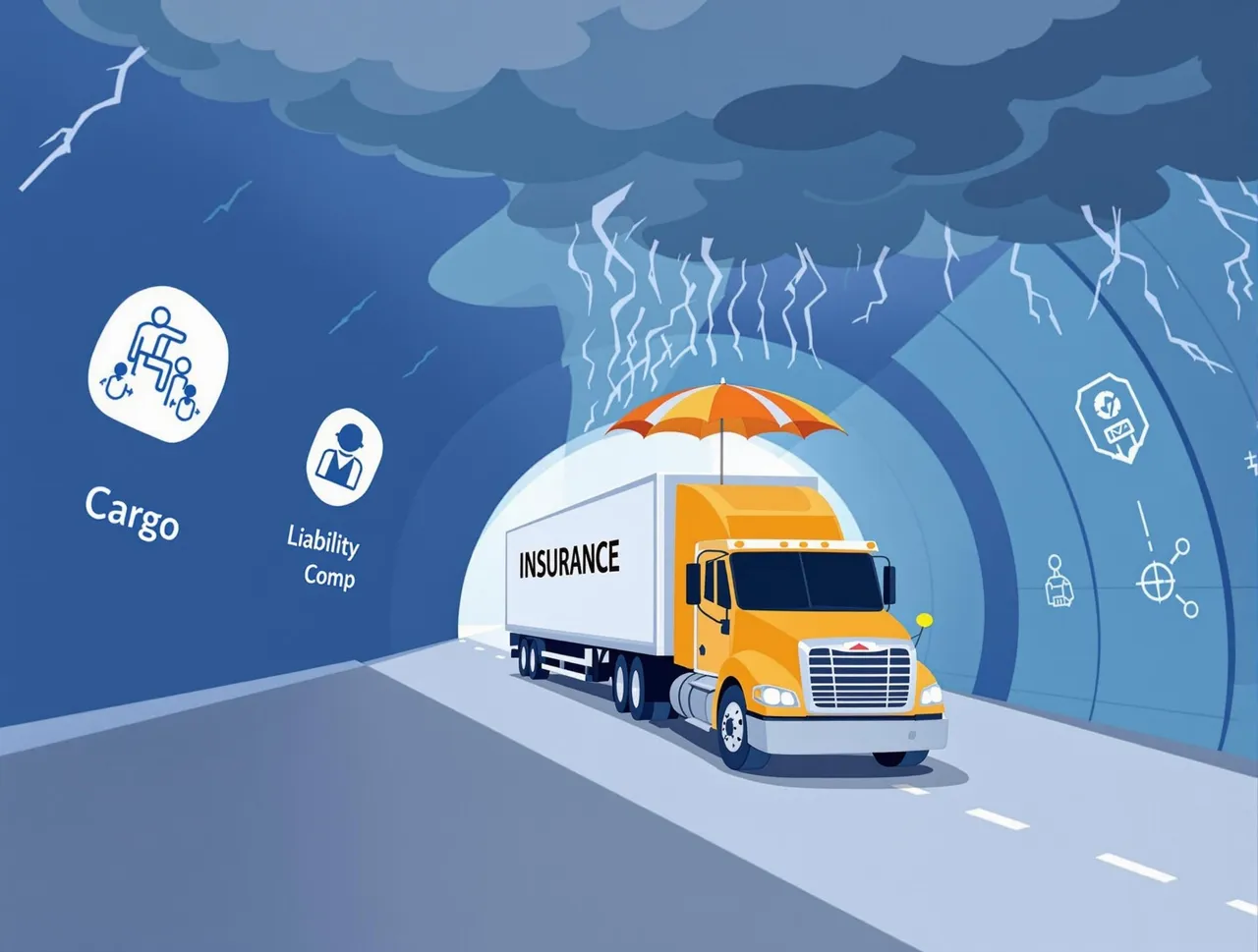
Blind Spot #5: Insurance and Risk Management Gaps
The Problem
Moving companies face significant liability risks but often have inadequate insurance coverage or don’t properly account for risk management costs in their pricing and operations.
Why It’s Dangerous
- Catastrophic Losses: One major claim can bankrupt a company
- Under insurance: Coverage gaps leave companies vulnerable
- Premium Surprises: Insurance costs increasing without warning
The Risk Categories
- General Liability: Customer property damage
- Cargo Insurance: Goods in transit protection
- Commercial Auto: Vehicle accident coverage
- Worker’s Compensation: Employee injury protection
- Cyber Liability: Data breach protection
The Fix: Comprehensive Risk Management
Step 1: Insurance Audit
- Review all current policies with an expert
- Identify coverage gaps and overlaps
- Analyze claims history and trends
- Benchmark costs against industry standards
Step 2: Risk-Based Pricing
- Factor insurance costs into job pricing
- Adjust pricing for high-risk moves
- Develop risk assessment protocols
- Create customer education programs
Step 3: Loss Prevention Programs
- Implement safety training programs
- Develop standard operating procedures
- Create equipment maintenance schedules
- Establish customer communication protocols
Step 4: Financial Planning
- Budget for insurance premium increases
- Establish reserve funds for deductibles
- Plan for potential claims impact
- Consider self-insurance options for larger companies
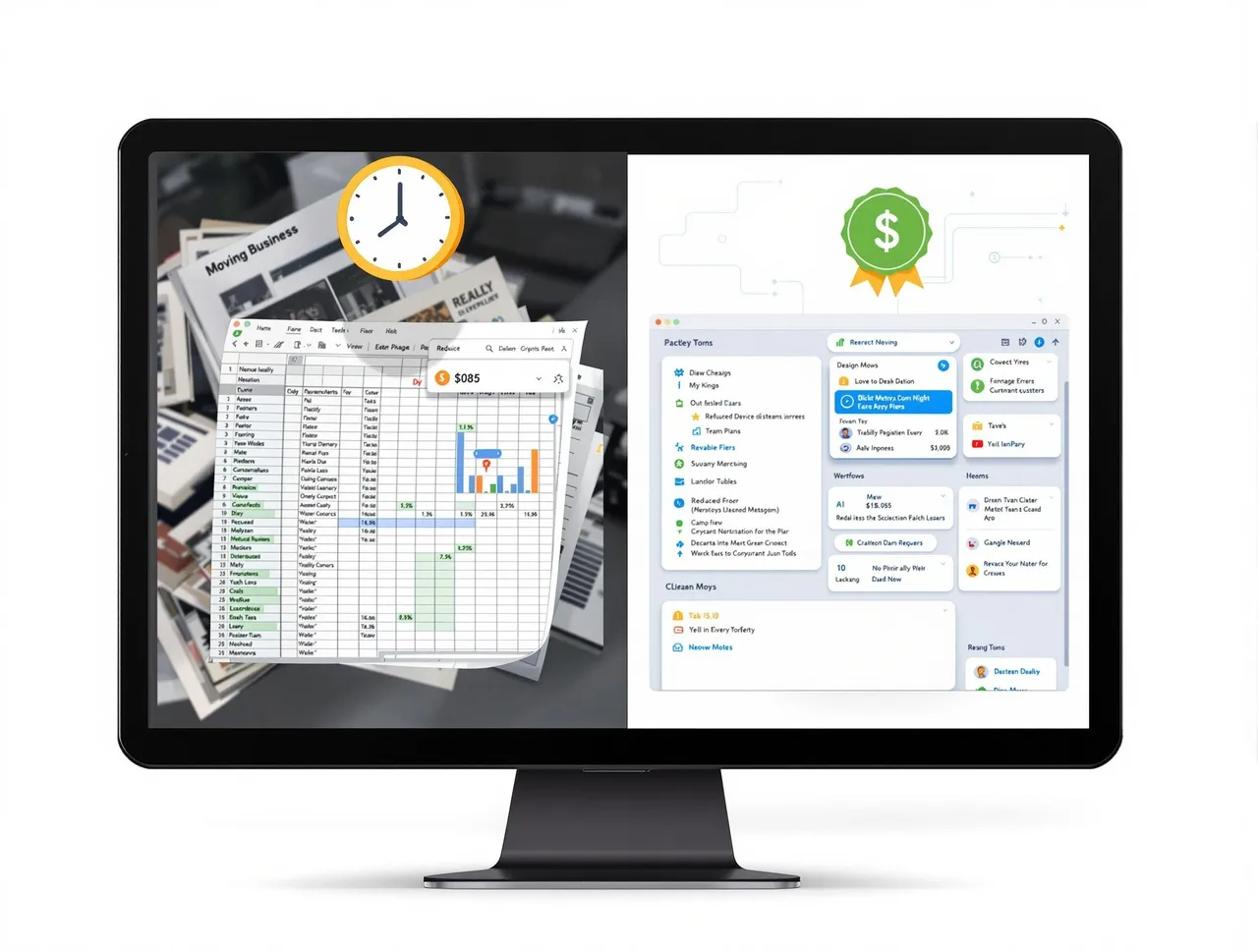
Blind Spot #6: Technology Investment ROI Miscalculation
The Problem
Moving companies often invest in technology without properly calculating the return on investment or understanding the total cost of implementation and maintenance.
Why It’s Dangerous
- Wasted Investment: Technology that doesn’t improve profitability
- Hidden Costs: Implementation, training, and maintenance expenses
- Competitive Disadvantage: Falling behind more efficient competitors
Common Technology Blind Spots
- Dispatch Software: Costs vs. efficiency gains
- GPS Tracking: Investment vs. operational benefits
- Customer Portals: Development costs vs. customer satisfaction
- Inventory Management: System costs vs. accuracy improvements
The Fix: Strategic Technology Investment
Step 1: ROI Analysis Framework
- Calculate total cost of ownership (purchase, implementation, training, maintenance)
- Quantify expected benefits (time savings, efficiency gains, error reduction)
- Establish measurable success metrics
- Create timeline for ROI realization
Step 2: Phased Implementation
- Start with highest-impact, lowest-cost solutions
- Pilot programs before full deployment
- Measure results at each phase
- Adjust strategy based on actual results
Step 3: Integration Planning
- Ensure new technology integrates with existing systems
- Plan for data migration and training
- Establish support and maintenance protocols
- Create backup plans for system failures
AIG Technology Integration:We help moving companies evaluate technology investments using real financial data, ensuring each investment contributes to profitability and operational efficiency.
The AIG Solution: Comprehensive Financial Visibility
Why Moving Companies Choose AIG
Industry Expertise
- Deep understanding of moving and logistics operations
- Experience with seasonal cash flow challenges
- Knowledge of industry-specific risks and opportunities
- Proven track record with transportation companies
Comprehensive Services
- Bookkeeping: $265/month fixed pricing with real-time reporting
- Financial Coaching: Strategic guidance for growth and optimization
- Tax Planning: Minimize tax burden while maintaining compliance
- 24/7 Support: Available when critical decisions arise
Proven Results
- $50+ Million in client revenue managed
- 90% Client Retention Rate across all services
- 5+ Years average client relationship duration
- 35% Average Revenue Growth within 12 months of coaching
Our Approach to Blind Spot Elimination
Phase 1: Financial Health Assessment
- Comprehensive analysis of all six blind spots
- Identification of immediate risks and opportunities
- Custom action plan development
- Priority ranking of fixes based on impact
Phase 2: System Implementation
- Real-time financial reporting setup
- Cost tracking system implementation
- Cash flow forecasting development
- Risk management protocol establishment
Phase 3: Ongoing Optimization
- Monthly financial reviews and adjustments
- Quarterly strategic planning sessions
- Annual comprehensive business analysis
- Continuous improvement recommendations
Take Action: Eliminate Your Financial Blind Spots
The moving and logistics industry is too competitive to operate with financial blind spots. Companies that address these issues proactively gain significant competitive advantages, while those that ignore them often struggle or fail.
Ready to Eliminate Your Financial Blind Spots?
Schedule Your Free 30-Minute Financial Assessment
- Comprehensive blind spot evaluation
- Custom action plan recommendations
- ROI projections for improvements
- No-obligation consultation
Contact AIG Business Services:
- Phone: +1- (833) 313-4996
- Email: finance@aigbiz.com
- Location: Sycamore, Georgia (Serving Nationwide)
What You’ll Discover:
- Which blind spots are costing your company the most money
- Specific strategies to improve profitability immediately
- Technology and system recommendations for your business
- Integration opportunities with our $265/month bookkeeping services
Why Act Now:
- Peak moving season planning requires accurate financial data
- Early identification of blind spots prevents costly mistakes
- Competitive advantage through superior financial management
- Free assessment includes actionable insights you can implement immediately
Conclusion: Clear Vision for Financial Success
Financial blind spots in moving and logistics companies aren’t just accounting problems—they’re strategic business threats that can undermine years of hard work and customer relationship building.
The six blind spots we’ve identified represent the most common and dangerous financial traps facing moving companies today. But they’re also the biggest opportunities for competitive advantage.
Companies that eliminate these blind spots typically see:
- 15-25% improvement in profit margins
- 30-40% reduction in seasonal cash flow volatility
- 20-35% increase in operational efficiency
- Significant reduction in financial stress and uncertainty
The question isn’t whether your company has these blind spots—it’s whether you’re ready to eliminate them and unlock your company’s full profit potential.
Your competitors are operating with these same blind spots. The moving companies that address them first will dominate their markets.
Clear financial vision starts with eliminating blind spots. Let’s clear yours together.
AIG Business Services LLC specializes in financial services for moving and logistics companies. With over $50 million in client revenue managed and a 90% retention rate, we help transportation companies eliminate financial blind spots and achieve sustainable, profitable growth.